The Main Building

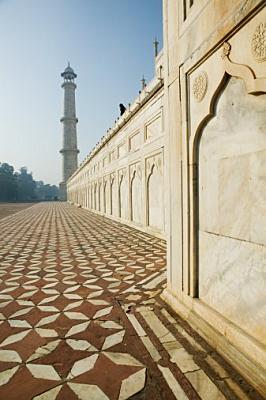
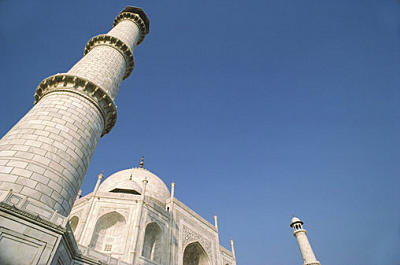
The tomb stands on a marble plinth six-metres high. The four minarets at each corner beautifully frame the tomb. The plinth stands on a high standstone platform and at the far ends of this base are two identical sandstone structures, a mosque to the west and its jawab, or echo, to the east. This was the mehman khana or guesthouse. Thus, the main building is not just of great size but beautifully proportioned and balanced in design.

The octagonal central hall has four smaller octagonal halls round it and is decorated with magnificent inlay and dado panels done in high relief. The bulbous, perfectly-balanced double dome rises to a height of 45 metres and the four chhattris flanking and balancing the high drum give it added height. Taj Mahal rises 75 metres high and is, in fact, taller than the Qutb Minar.

An ornate marble screen, carved so fine that it almost has the texture of lace surrounds the cenotaphs in the central hall. However, as was the tradition during Mughal times, the actual graves lie in an underground crypt directly below the cenotaphs.
Wow!!! Kuldip Posted by Picasa


The bejewelled Palace

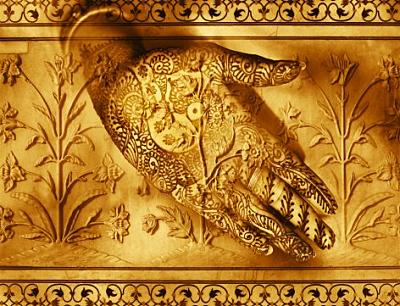
Shahjahan's two biggest passions were architecture and jewellery and both are reflected in the Taj Mahal. He visualised a building in marble and then had it decorated with semi-precious stones inlaid with the delicacy of handcrafted jewellery. Marble in purest white was brought from Makrana in Rajasthan, yellow marble and rockspar from the banks of the Narmada river, lack marble from Charkoh and red sandstone from Sikri. For the intricate pietra dura the finest gems were collected - crystal and jade from China, lapis lazuli and sapphires from Sri Lanka, jasper from Punja, carnelian from Baghdad and turquoise from Tibet.

Yemen sent agates, the corals came from Arabia, the garnets from Bundelkhand, onyx and amethyst from Persia. Mumtaz Mahal's final resting-place was ornamented like a queen's jewel-box. Posted by Picasa


Wonderful Images by Kuldip....i just saw wnted to spread Posted by Picasa


A flawless architectural creation

For centuries, the Taj Mahal has inspired poets, painters and musicians to try and capture its elusive magic in word, colour and son. Since the 17th century, travellers have crossed continents to come and see this ultimate memorial to love, and few have been unmoved by its incomparable beauty.

Taj Mahal stands in the city of Agra, in the northern Indian state of Uttar Pradesh, on the banks of the Yamuna river. It was built in the memory of the beautiful Arjumand Bano Begum, who won the heart of a Mughal prince. She was married at 21 to Emperor Jahangir's third son Prince Khurram and stayed loyally by his side through good times and bad: in the luxurious royal palaces of Agra as well as the transient tents of war camps. Posted by Picasa


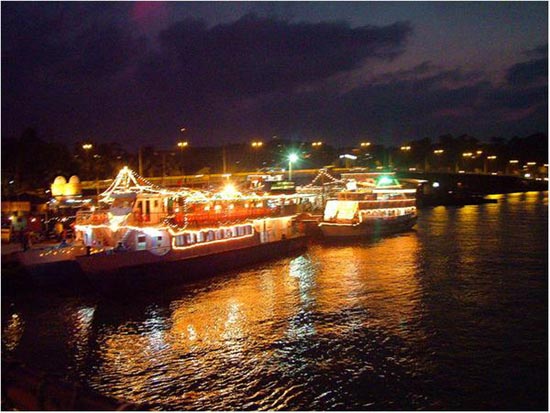
Boats return after sunset trips Posted by Picasa